Quinn Werner · 14 October 2026
Adaptive Methods for Ensuring Continuity in Cloud-Based Property Management Amidst Tool Transitions
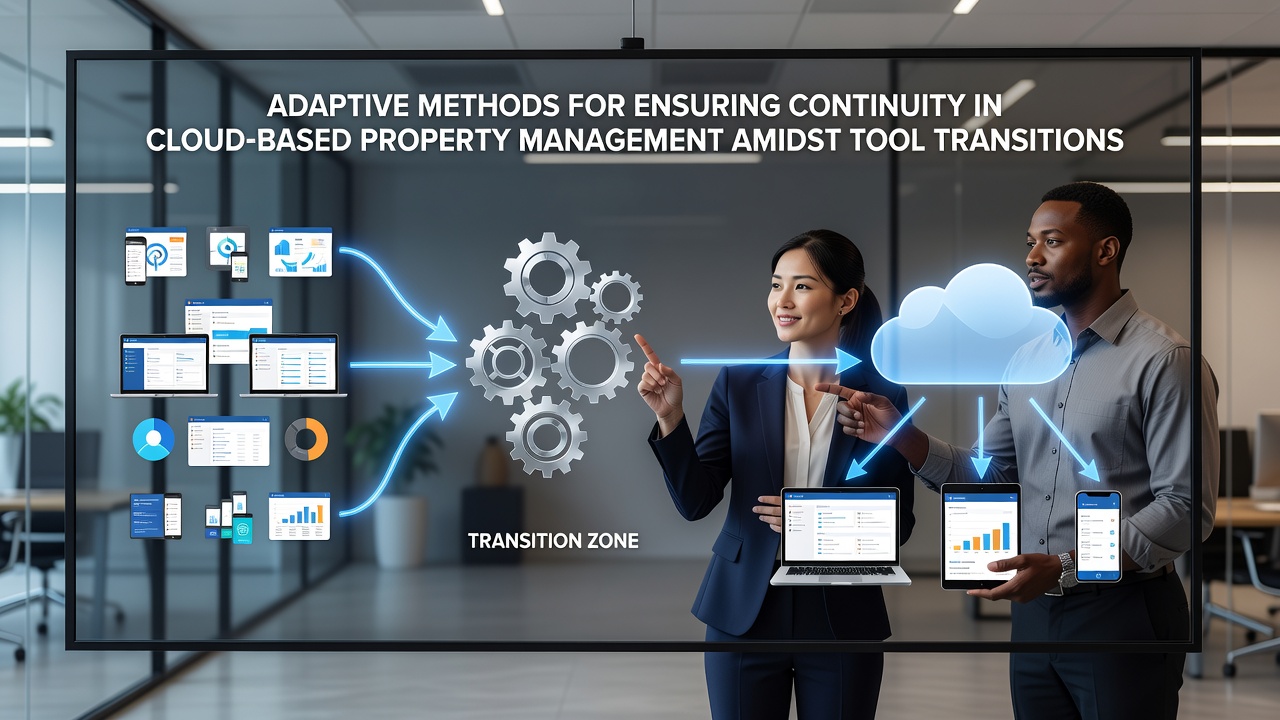
Property management teams rely on cloud platforms to track leases, maintenance requests, tenant communications, and financial records, yet transitions between these tools occur more frequently as providers update features or merge services. Research indicates that organizations lose an average of 15 percent of operational data during poorly managed migrations when they lack structured continuity plans. Adaptive methods focus on preserving access to critical information while minimizing downtime across residential and commercial portfolios.
Common Challenges During Platform Shifts
Tool transitions often involve incompatible data formats, API limitations, and varying security protocols that disrupt daily workflows. Observers note that property managers face particular pressure because tenant records must remain accurate and accessible to comply with local housing regulations. Data from the Australian Digital Transformation Agency shows that 62 percent of cloud migrations in the facilities sector encounter delays when legacy systems fail to map fields correctly to new platforms.
Another layer of complexity arises from user access rights and permission hierarchies that differ between providers. Teams must reconfigure roles without exposing sensitive financial details or personal tenant information. Studies from the National Institute of Standards and Technology highlight that incomplete audit trails during these reconfigurations increase vulnerability windows by up to three weeks on average.
Data Mapping and Validation Protocols
Successful continuity begins with comprehensive data mapping that identifies every field, attachment, and historical log requiring transfer. Teams create standardized templates to translate information between systems, then run validation scripts that flag discrepancies before the final cutover. Research published by the University of Melbourne's Centre for Digital Transformation found that organizations conducting at least three validation rounds reduced post-migration errors by 78 percent.
Parallel environments allow staff to test new workflows while the original platform remains operational. This approach gives property management companies time to verify that automated rent collection, work order routing, and reporting functions behave as expected. Experts have observed that parallel testing becomes especially important when October 2026 brings scheduled updates to major cloud providers that alter authentication standards across the industry.
API Integration and Middleware Solutions
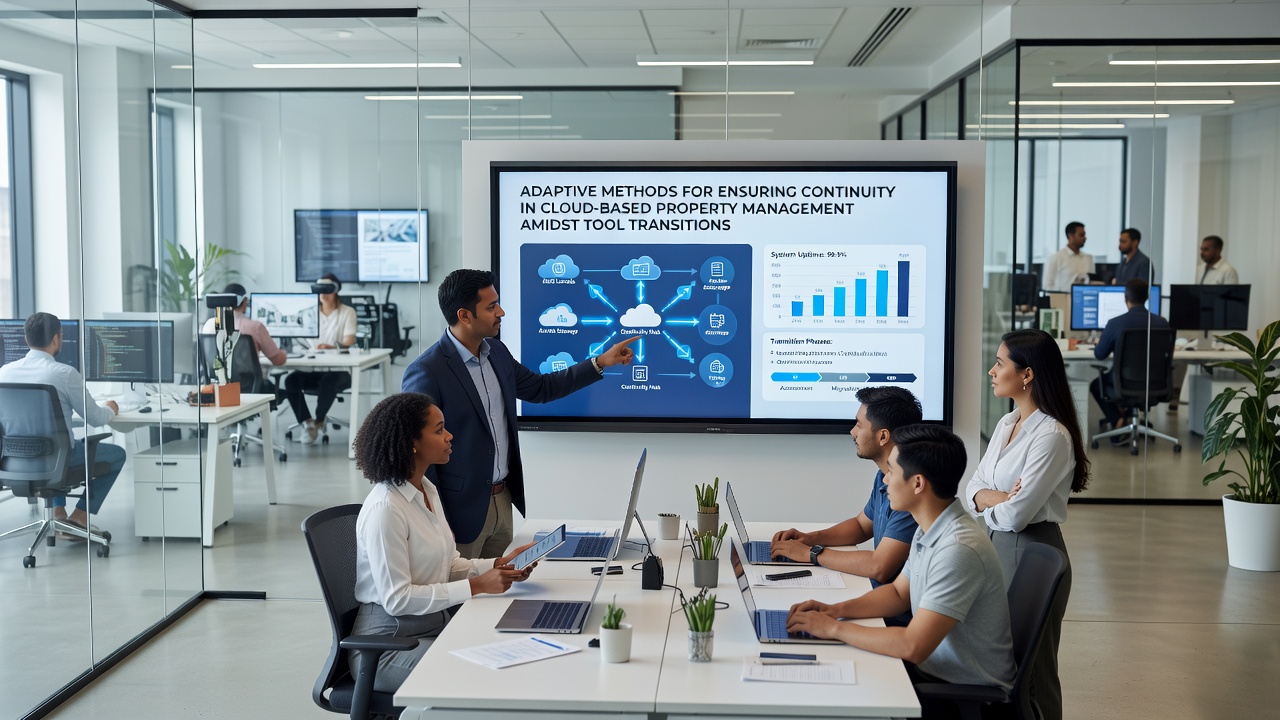
Many organizations deploy middleware layers that connect outgoing and incoming platforms during the transition period. These connectors synchronize calendars, document repositories, and payment gateways in near real time, reducing the risk of double-booked maintenance visits or missed invoice records. Data from the European Union Agency for Cybersecurity indicates that middleware solutions cut synchronization failures by 41 percent in facilities management migrations completed between 2023 and 2025.
Custom scripts handle edge cases where standard APIs cannot interpret specialized property data such as utility allocation formulas or compliance certificates. Developers document each script with clear rollback procedures so teams can revert changes quickly if unexpected conflicts appear. Those who have studied these implementations note that maintaining version-controlled repositories of all custom code prevents knowledge loss when personnel change roles mid-project.
Training and Change Management Practices
Technical continuity alone does not guarantee operational success. Staff require structured training sessions that demonstrate how familiar tasks translate into the new interface. Companies that schedule role-specific workshops rather than generic overviews report faster adoption rates according to internal metrics shared by several North American property groups. Hands-on exercises covering common scenarios such as lease renewals and emergency work orders help teams build muscle memory before the legacy system is decommissioned.
Communication plans keep tenants informed about any temporary changes to portals or payment methods. Clear messaging reduces support ticket volume and prevents confusion that might otherwise escalate into complaints. Figures from the Canadian Centre for Cyber Security reveal that proactive tenant notifications lower service disruption complaints by roughly one-third during platform transitions.
Long-Term Monitoring After Migration
Once the new platform becomes the primary system, ongoing monitoring tracks performance metrics and data integrity. Automated alerts notify administrators when synchronization jobs fall behind schedule or when storage usage patterns deviate from established baselines. Regular audits conducted at 30-, 60-, and 90-day marks catch residual issues that surface only after full operational load returns.
Documentation of lessons learned feeds into future transition projects. Teams archive mapping templates, script libraries, and training materials so subsequent migrations benefit from accumulated knowledge rather than repeating earlier mistakes. This institutional memory proves especially valuable as cloud providers continue consolidating services and introducing new compliance requirements.
Conclusion
Adaptive methods for cloud-based property management combine careful data mapping, middleware integrations, parallel testing environments, and targeted training programs. Evidence from multiple regulatory and academic sources demonstrates that these approaches preserve operational continuity even when platforms change. Organizations that apply these techniques systematically maintain tenant trust and regulatory compliance throughout the transition process.