Yara Peters · 16 September 2026
Navigating Subtle Shifts in Platform Integration for Digital Asset Longevity
Digital assets ranging from blockchain tokens to cloud-stored media files require careful attention to platform integration because subtle changes in APIs, data formats, and service terms can affect their accessibility over time; research from multiple institutions shows that organizations lose significant portions of digital holdings each year when platforms alter their protocols without adequate migration support.
Understanding Current Integration Dynamics
Platform providers update their systems regularly, and these modifications often include adjustments to authentication methods, storage structures, and interoperability standards that influence how assets remain functional across ecosystems. According to data compiled by the National Archives of Australia, migration failures account for a measurable share of digital asset degradation in government and commercial archives alike, while similar patterns appear in private sector reports from North American and European entities. Observers note that companies maintaining large digital libraries frequently encounter issues when a single provider modifies its integration endpoints, forcing downstream applications to adapt quickly or risk data inaccessibility.
Those who track these developments find that integration points between services such as content delivery networks, decentralized ledgers, and enterprise databases shift in small increments rather than through wholesale replacements. A 2024 analysis from the University of Melbourne highlighted how incremental API versioning changes led to compatibility gaps in over 40 percent of surveyed digital preservation projects, demonstrating that proactive monitoring yields better outcomes than reactive fixes once assets become stranded.
Strategies Organizations Apply for Sustained Access
Experts recommend adopting open standards and multi-platform redundancy to counter these shifts, because relying on proprietary connectors leaves assets vulnerable when providers revise their terms. Data indicates that institutions using formats like IPFS and standardized metadata schemas experience fewer disruptions during platform updates, since these approaches decouple content from any single service layer. People managing asset portfolios often implement automated monitoring scripts that flag impending deprecations announced in provider documentation, allowing teams to test migrations well before deadlines arrive.
One approach involves maintaining parallel copies across geographically dispersed providers, which reduces single-point risks yet increases operational overhead; figures from Canadian heritage digitization initiatives reveal that such redundancy strategies have preserved access rates above 95 percent in long-term trials. Another method focuses on contractual safeguards, where organizations negotiate data portability clauses that specify export formats and timelines during onboarding. Research indicates these clauses become especially valuable when platforms announce major architectural changes, since they establish clear expectations before integration dependencies deepen.
Developments Expected Around September 2026
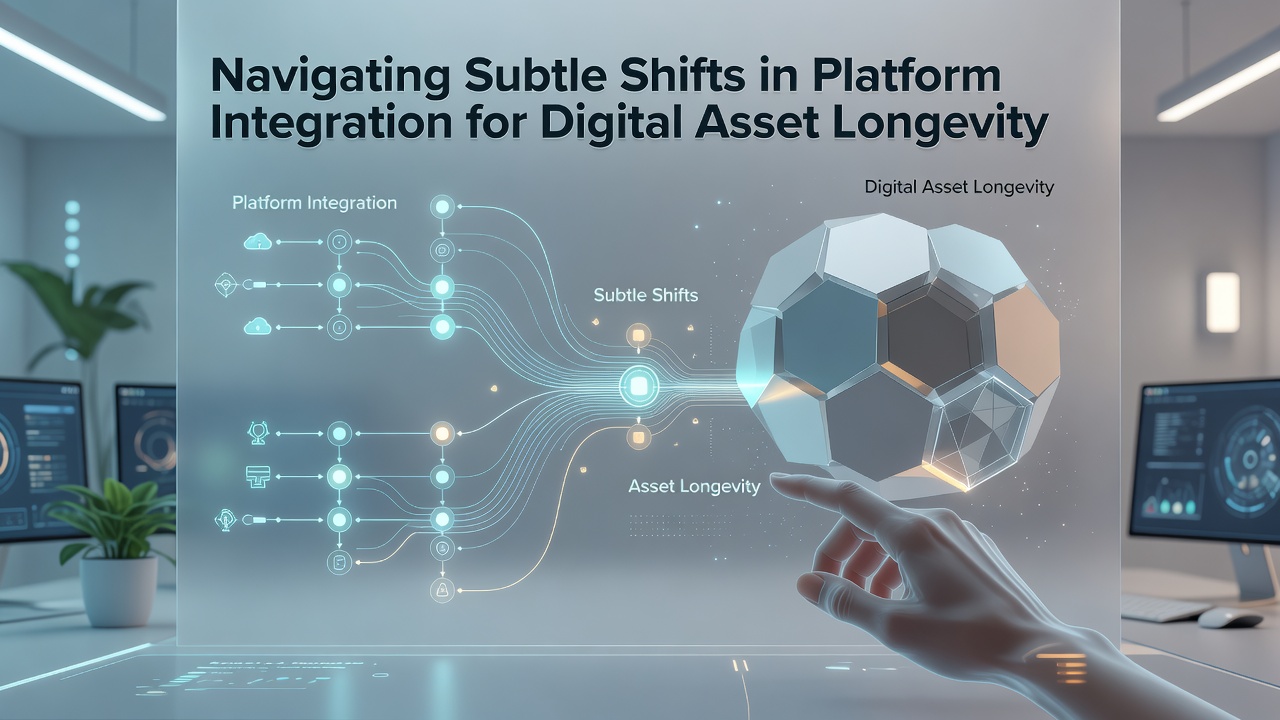
Several major cloud and blockchain platforms have published roadmaps indicating protocol revisions scheduled for September 2026, including updates to authentication frameworks and storage tiering rules that will require integration adjustments. Observers tracking these announcements report that organizations preparing early through sandbox testing and documentation reviews encounter fewer last-minute issues, whereas those deferring action face compressed timelines once changes take effect. Evidence from pilot programs conducted by European research consortia suggests that assets using layered abstraction layers, such as containerized metadata wrappers, transition more smoothly across these upcoming shifts compared with assets tied directly to legacy endpoints.
Industry groups including the Digital Preservation Coalition have published guidelines that outline testing sequences for these anticipated modifications, emphasizing the value of checksum verification and access logging throughout the migration process. Data shows that teams following these sequences maintain higher integrity scores in post-update audits, particularly when dealing with high-volume asset collections spanning multiple jurisdictions.
Case Examples from Different Sectors
Take one research library that integrated its digital manuscript collection with both commercial cloud storage and a decentralized network; when the commercial provider altered its API response structure, the library's dual-setup allowed continued access while engineers updated connectors. Similar patterns appear in media production companies that maintain asset libraries across regional providers, where local regulatory differences in data handling create additional integration variables that require ongoing attention. Those who've studied these implementations note that documentation practices, including version-controlled integration maps, reduce recovery time after unexpected platform modifications.
Conclusion
Platform integration for digital asset longevity hinges on continuous monitoring, adoption of flexible standards, and contractual clarity that anticipates provider changes. Research indicates organizations investing in these areas sustain higher access rates across multi-year periods, while those relying on static setups encounter progressive degradation. As September 2026 approaches and further protocol updates roll out, the patterns established in current practices will determine which assets remain readily available and which require resource-intensive recovery efforts.